Frequently asked questions
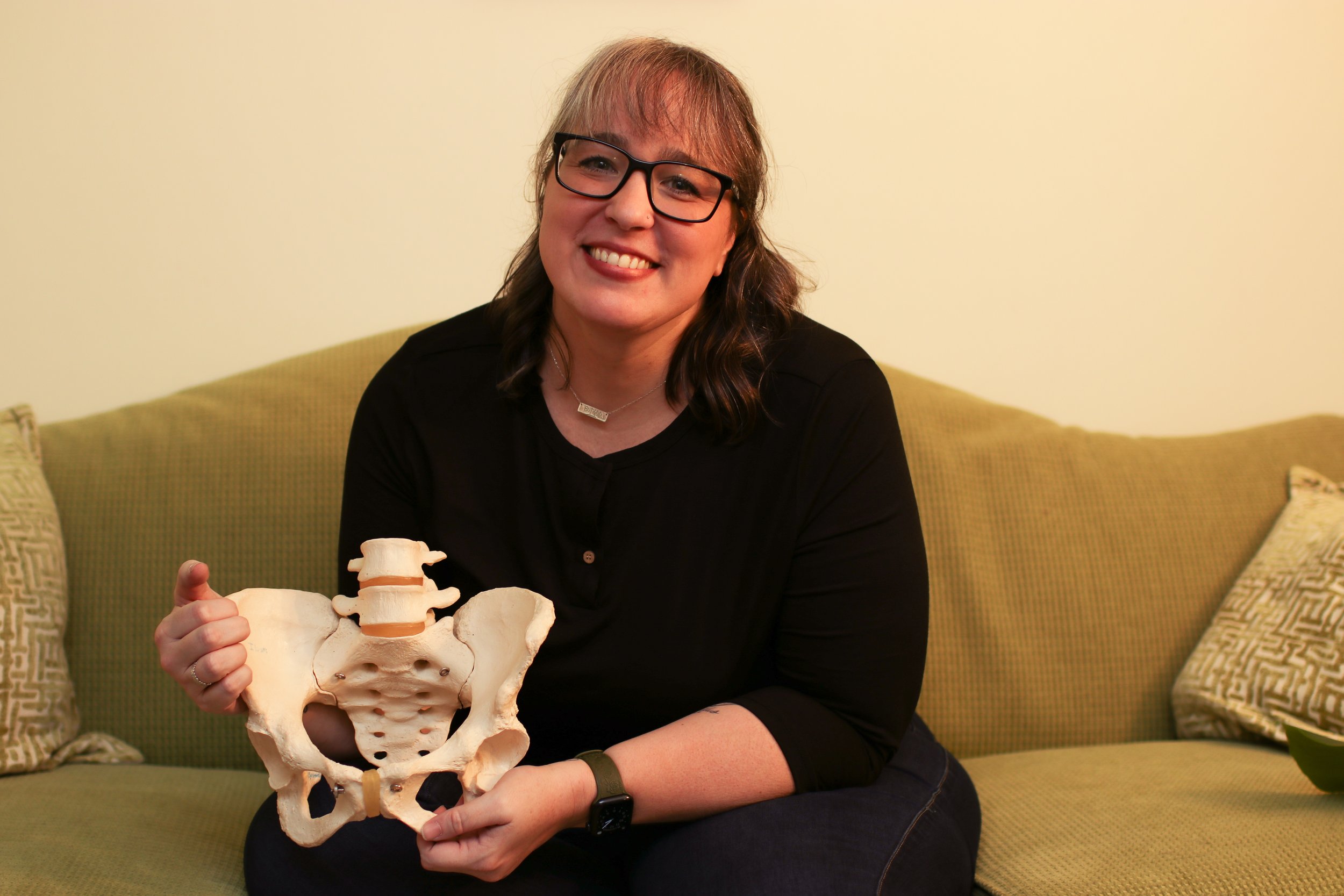
Choosing a midwife comes with plenty of questions—and that's a good thing. Grab a cup of tea, settle in, and read through the answers below. If you don't find what you're looking for, I'd be happy to answer your questions during a consultation.
-
Midwifery care is a relationship-based, holistic model of care for low-risk pregnancy, birth, and postpartum. It focuses on supporting the body’s normal physiology while closely monitoring for any signs that something is outside of normal. At Charis, care is individualized, thorough, and centered on relationship, education, and informed decision-making.
In a midwifery model, appointments are typically last an hour and are more in-depth. We assess maternal vitals, fetal well-being, growth, and labs, while also taking time to talk through nutrition, lifestyle, mental/emotional health, and preparation for birth and postpartum. You’re an active participant in your care—not just a recipient of it.
Obstetric (OB) care is a medical model designed to manage both normal and high-risk pregnancies, often within a hospital setting. It tends to be more standardized and time-limited, with a stronger emphasis on screening, diagnosis, and intervention when needed.
Both models have an important role. Midwifery care is well-suited for healthy, low-risk pregnancies desiring a more personalized and physiologic approach, while OB care is essential for higher-risk situations or when complications arise. If at any point your care requires a higher level of medical management, we coordinate transfer to ensure you and your baby receive appropriate care.
-
Low-risk means that both you and your baby are healthy, and your pregnancy is progressing without conditions that would require medical management or hospital-based care.
In general, this includes:
A healthy mother without significant pre-existing medical conditions (such as chronic hypertension, diabetes requiring medication, or certain cardiac conditions)
No significant complications during pregnancy (such as preeclampsia, placenta previa, or severe growth concerns)
A gestational age within a safe range for out-of-hospital birth
A reasonable distance from a hospital in case transfer is needed
Low-risk status is not a one-time determination—it’s something we assess continuously throughout your care. If at any point something falls outside of normal, we will discuss it with you and, if needed, recommend co-care or transfer to ensure you and your baby are receiving the appropriate level of care.
A key component of safe out-of-hospital birth is trust in your midwife. While autonomy and informed decision-making are central to our practice, so is understanding that individualized care comes from your provider—not from social media or outside sources. You have autonomy in your care, and we respect that deeply. At the same time, midwives also practice within clear clinical and safety boundaries. If at any point those boundaries no longer align, you may be asked to seek care with a provider who is a better fit.
-
We do not accept insurance. In Georgia, Certified Professional Midwives (CPMs) are not licensed, which means we are unable to bill insurance directly for our services.
Some clients choose to pursue out-of-network reimbursement with their insurance company. You are welcome to do this independently, but Charis Birth & Wellness does not submit claims or communicate with insurance on your behalf.
If you choose to pursue this, you should expect to pay in advance and be reimbursed after the birth. It is also important to get an out of network exception so that services will go toward your in network deductible. If you’re considering, I would highly recommend working with Maggie Napier of Napier Midwifery Billing.
https://napiermidwiferybilling.com/
We’re happy to provide a detailed receipt (superbill) for your records if you decide to seek reimbursement.
-
Yes. All clients are automatically placed on a monthly payment plan, with the full fee due by 35 weeks of pregnancy.
-
No. There are no hidden fees or surprises!
Your care includes routine prenatal visits, labor and birth attendance, postpartum visits, disposable birth supplies, and any ultrasounds performed in-office. Care is designed to provide comprehensive support throughout pregnancy, birth, and the postpartum season.Laboratory testing is billed separately and is not included in the global fee. In most cases, labs are significantly less expensive than traditional insurance-based pricing. Payment for laboratory services is due when billed by Charis Birth & Wellness, usually the month after they are performed in office.
-
No. Because we provide out-of-hospital care, we do not offer pharmaceutical pain medication.
We do, however, offer a variety of comfort measures to help you cope with labor, including position changes, hydrotherapy, and massage.
We strongly recommend that all first-time mothers and/or first-time home birth clients hire a doula. A doula provides continuous support during labor and can be an invaluable resource for comfort measures as well as education throughout your pregnancy.
-
If a situation arises where hospital care is the safest next step, we recommend transfer promptly and communicate clearly with you about why it’s needed. Our goal is always to make that decision early and thoughtfully—not in an emergency whenever possible.
We will call ahead to the hospital, give a full report, and send your records so the receiving team is prepared for your arrival. Once you arrive, care is transferred to the hospital staff.
Depending on the situation and logistics, we may come with you or meet you there in a supportive role, but this is not guaranteed. If you are transferred during labor, we remain available for communication and support as appropriate.
If there are no life-threatening complications, we can typically resume your postpartum care once you are discharged home.
-
No. My faith is an important part of who I am and naturally shapes the way I care for others, but families of all backgrounds are welcome at Charis Birth & Wellness.
Some families appreciate prayer and openly faith-based care, while others simply desire relationship-centered midwifery support. Regardless of where you are in your own beliefs, you can expect to be treated with kindness, respect, and compassionate care.
-
I primarily serve families throughout Metro Atlanta and surrounding communities within approximately 45 minutes of Tucker, Georgia. As anyone who lives in Atlanta knows, travel times and actual distances are often two very different things! Because timely access to care is an important part of maintaining safety, I intentionally limit my travel radius to ensure I am able to respond promptly when families need me most.
If you're unsure whether your home falls within my service area, I encourage you to reach out. Every location is unique, and I am always happy to discuss your location and determine whether I am able to provide care for your family.
-
Absolutely—and honestly, I encourage it!
If you're thinking ahead and exploring your options before becoming pregnant, kudos to you! Choosing a midwife is about more than selecting a provider; it's about building a relationship and finding the right fit for your family.
Because I accept a limited number of clients each month, priority is given to returning families and those who have already completed a consultation. Meeting before pregnancy allows us to get to know one another, answer questions, and helps ensure you're prepared when the time comes.
Whether you're actively trying to conceive or simply planning for the future, I'd love to connect with you and be part of the conversation.